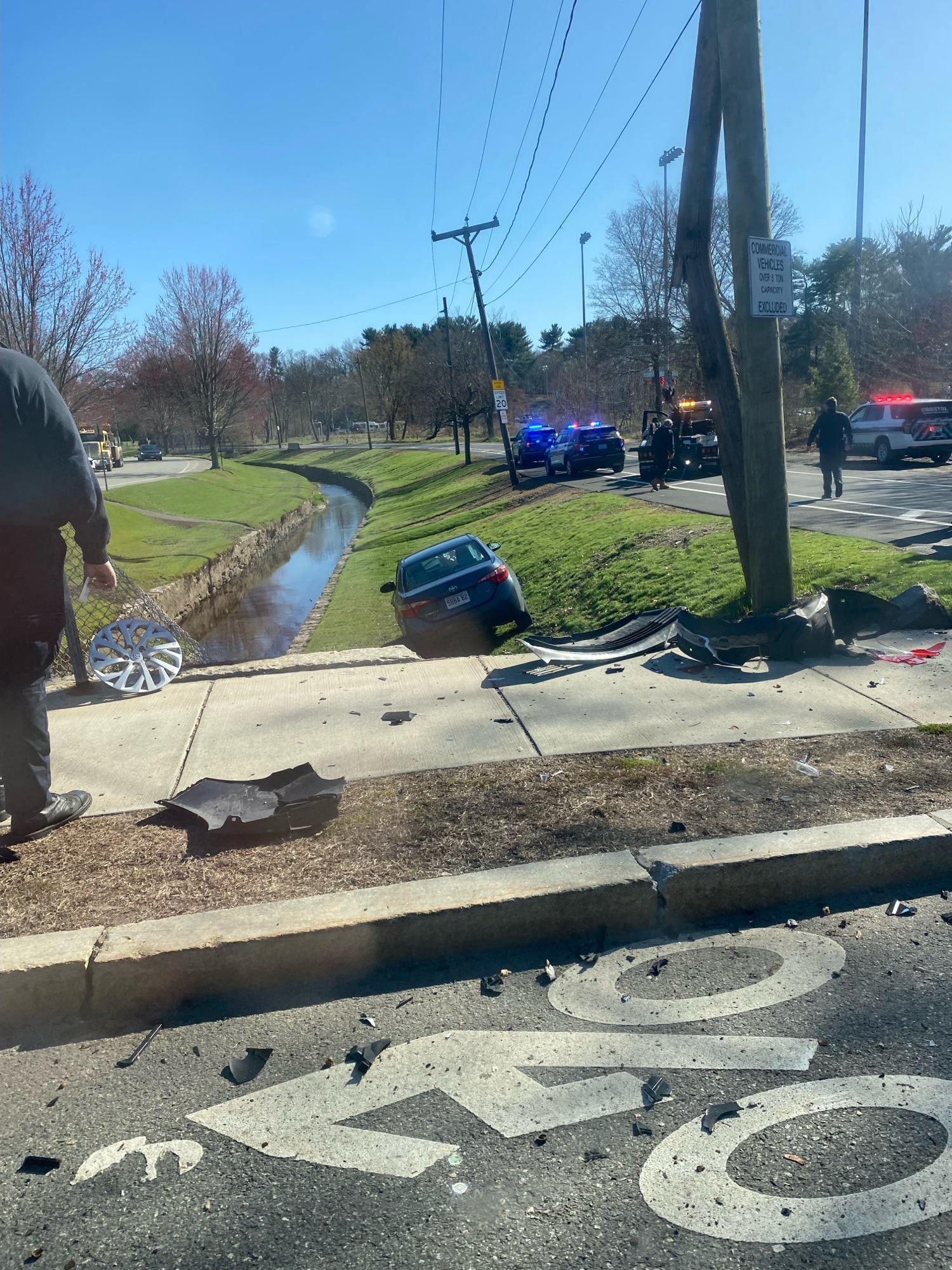
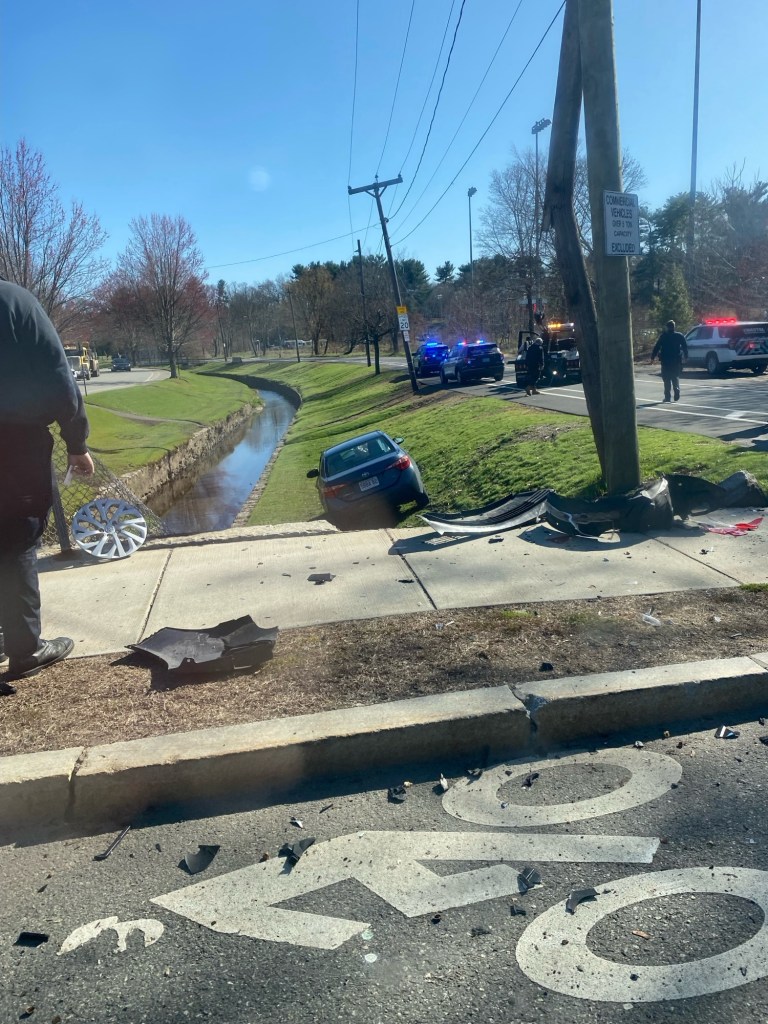
Not clear what happened to send this car so completely off the road, but I hope no one was hurt. This intersection is flanked by Fessenden and Day Middle, the largest middle school in Newton, so many children cross this zone on their own during weekday afternoons.
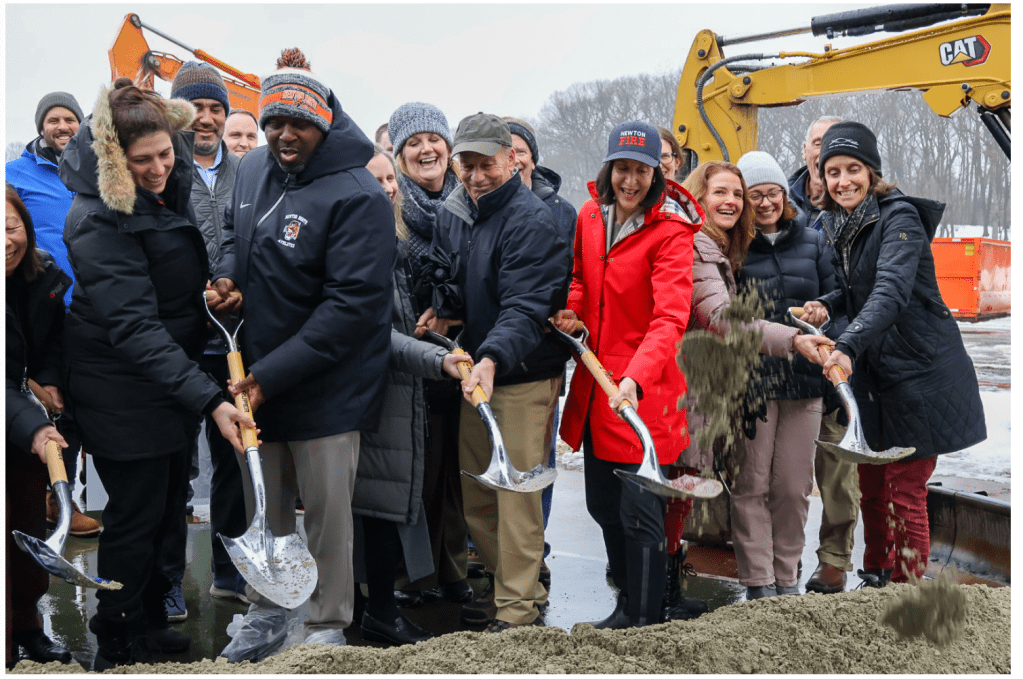
What a thrill to participate in the groundbreaking ceremony for the second round of $10mm investment in Albemarle. After inspiring remarks made by so many passionate officials in Newton, we tossed the dirt into the air and they moved on with the field work. Details are in the below article.
Not everyone reading this remembers August of 2019, when we heard that Newton was considering building on this park. But I do. I remember sitting on my couch in my living room at 9pm on a hot weekday night and seeing the news. My stomach dropped, and I realized that the community voice on this just didn’t exist. On February 13, 2025, we all stood around together on a cool, drizzly day, and celebrated the community, teamwork, creative thinking and persistence that got us here, transforming this park into a crown jewel of outdoor recreation for Newton, open and accessible to all. This is a very tough time in our country, and a good time to remember that what seems insurmountable is not; what seems impossible can be done when people push through barriers – and they do it together, with active listening, compromise and flexibility.
We’ve heard questions about the mature trees, especially those magnificent oaks – we all love them, and the designs fully accommodate them, just so you know.
Early efforts focus on stormwater filtration and management. Speaking of….
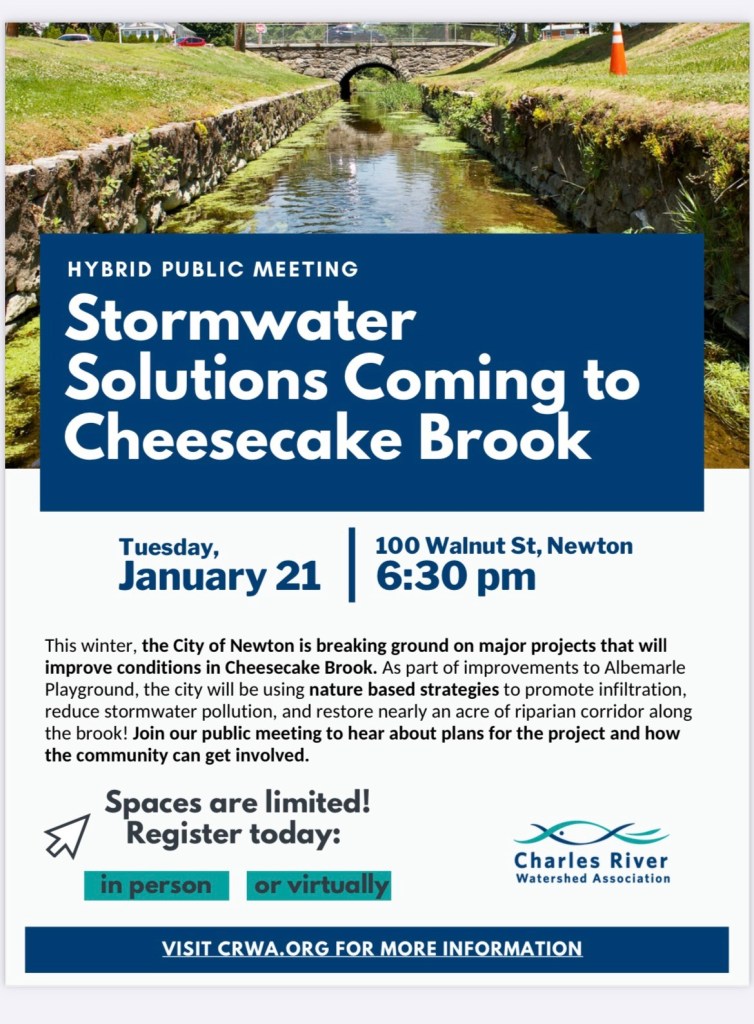
2. …There is a meeting THIS Tuesday that you might be interested in attending, and so sorry for the short notice – it was short for us too, and I can’t make it. But I hope you can.
Tuesday 1/21 at 6:30pm at the Ed Center and also on zoom – Stormwater Solutions Coming to Cheesecake Brook.See details here and register at crwa.org.
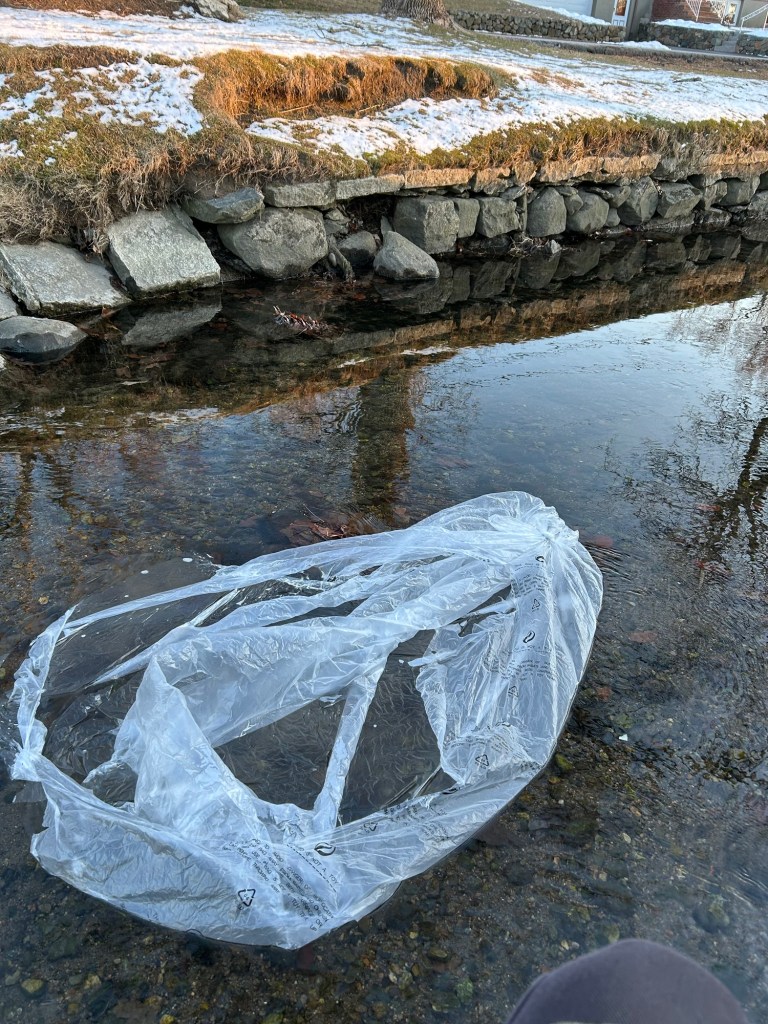
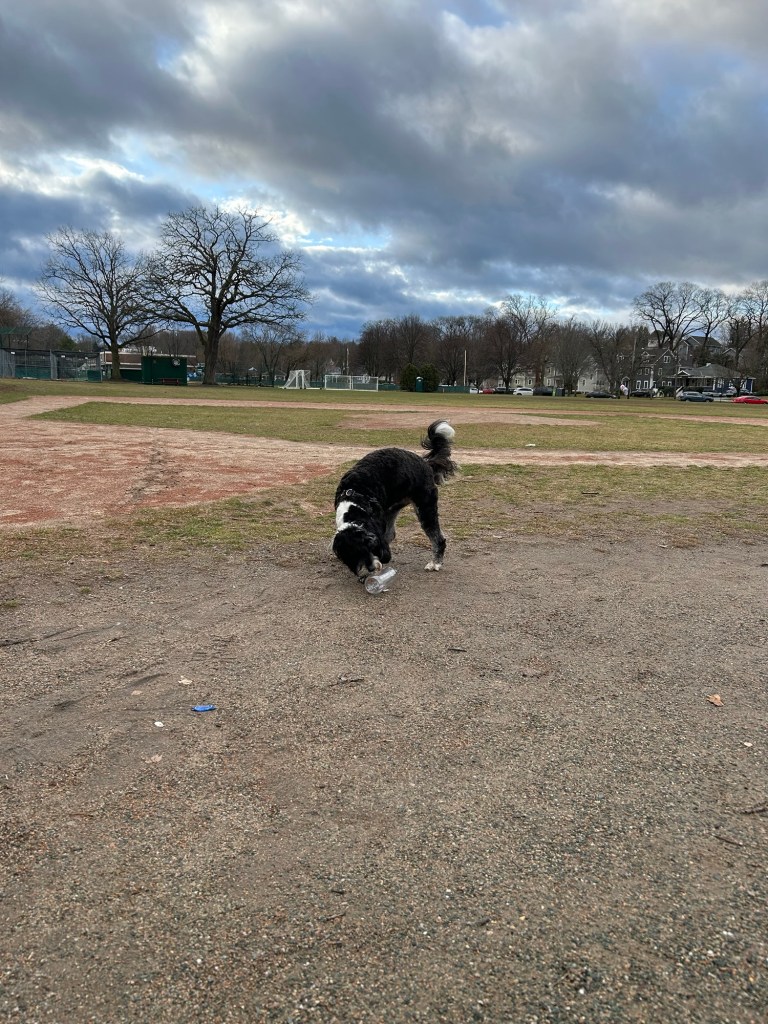
I’m often in the brook, pulling out trash. It’s easy for things to get in there, but then they get into the river and the ocean. Let’s keep our waterways clean. Thank you in advance for joining me in doing the dirty work!
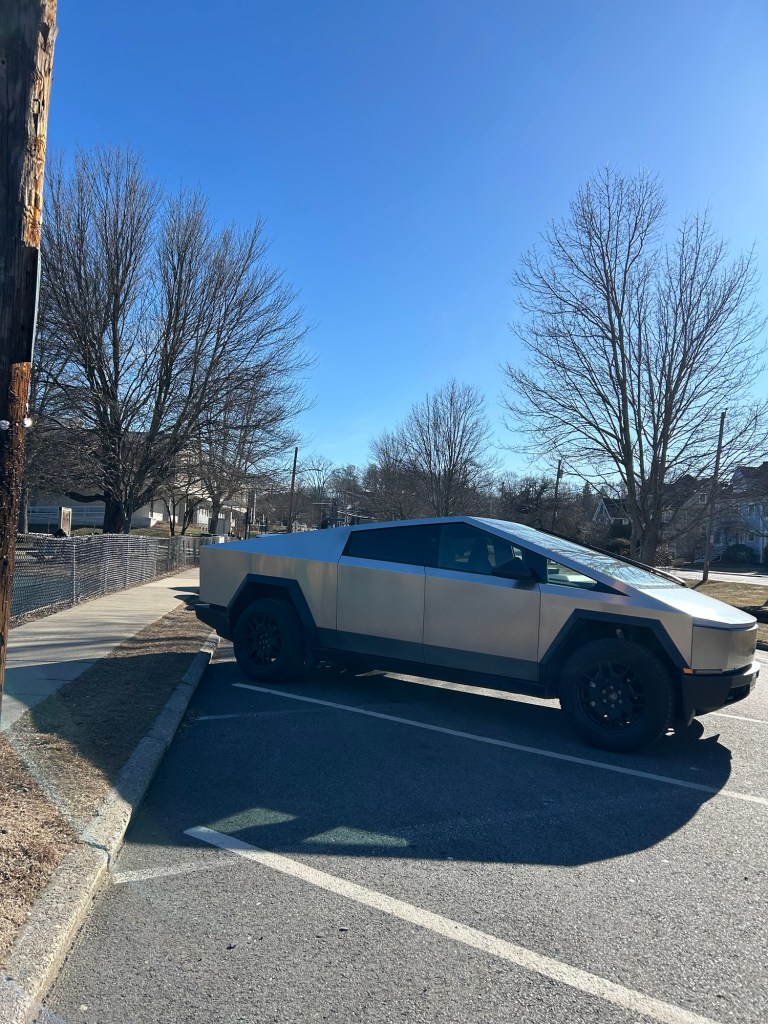
Everyone! The weekend playground parent crew and the cybertrucks alike. This small adjustment has made a much safer environment at the park. Thank you Newton for supporting this crucial effort to create and prioritize safety in our community.
Welcome to the Fall Edition of your Friends of Albemarle newsletter! We hope this finds you reflective of the season and thankful for the community we have. We certainly are. Thanks for being a good friend in 2024!
Our hard work together has paid off. After an incredible season for the new $10 million renovation of Gath Pool, with record numbers of visitors, an unparalleled staff of hardworking leaders and lifeguards, and expanded hours even as some construction was actually ongoing (!), we’re now looking at the next phase of work at Albemarle.
Fields, Lights, and Pathways, Oh My!
After a successful bidding phase, we are on the path to a multimillion rebuild of Albemarle, with new lights, fields, courts, spectator options, and lit pathways. The lighting is all dark-sky approved. The project also makes room for new plantings and rain gardens. It will even improve water quality and flooding in our neighborhood. This will be Phase 1 of a rework of Albemarle on a beautiful, user-friendly design that benefited from a huge amount of community input. Construction could start as early as March! Questions for now can go to the exceptionally skilled project lead, our hero, Parks Director Luis Perez Demorizi: lpdemorizi -at- newtonma.gov
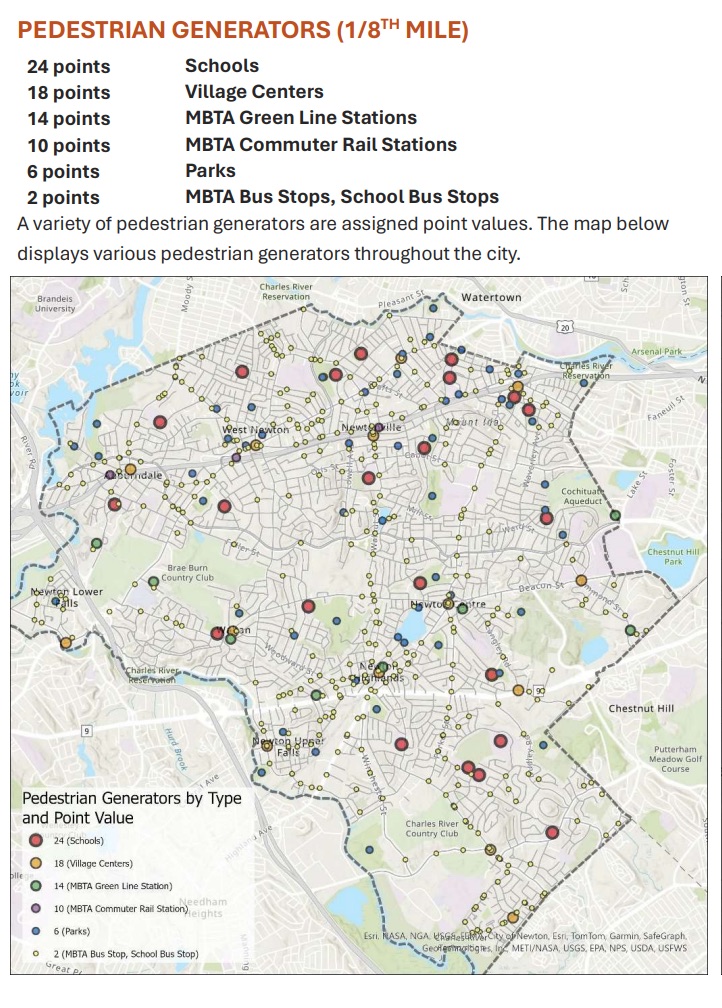
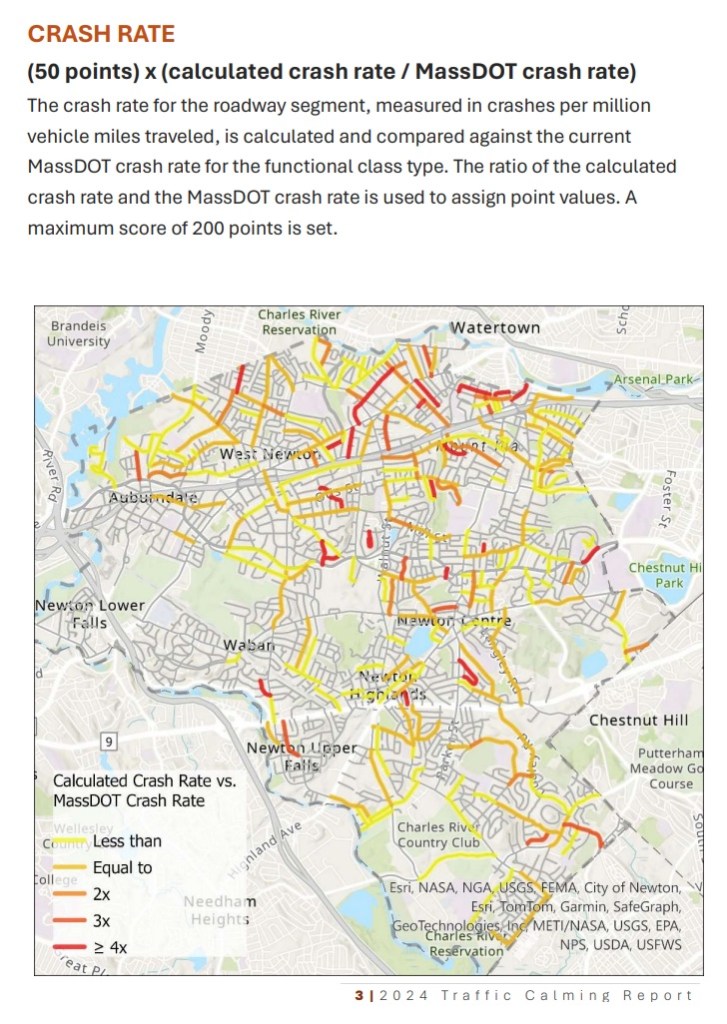
On Foot in the Red ZoneNewton’s 2024 Traffic Calming Report makes clear both that a.) We have work to do on Newton becoming a safe place to live, work, walk, bike, and get to school and b.) That pedestrians are in the same place where the most crashes are and that place is….drumroll, please…north of the Pike. The #1 most problematic areas are ALL connected to Crafts St. As we always say, if Albemarle isn’t safe to get to, then it can’t truly succeed as a community resource.
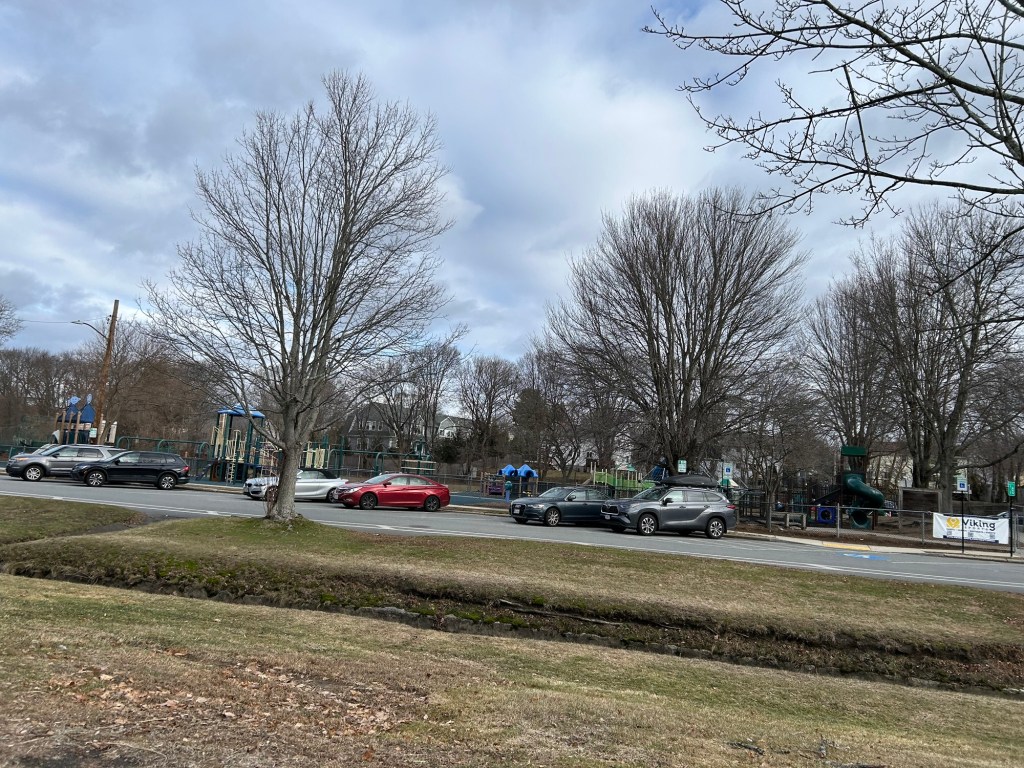
The great news is that Albemarle is absolutely benefitting from the speed bumps and flex posts that were installed by DPW. And we still celebrate the new speed limit.
(Oh, and did I mention back-in parking yet? IT IS STILL WORKING!!)
Bike Lanes Getting More Bike Lane-y
Speaking of safety and access… we were excited to see the installation of the visuals in the bike lane on Albemarle. And even new sharrows painted on the road as it approaches the river! Thanks Newton Transportation and DPW!
#Albemarlefall
A tuft of milkweed….layers of leaves….splashes of orange and crimson….
The City of Newton has developed an extensive 2024 Traffic Calming Report which makes clear both that a.) ourcommunity has some work to do when it comes to Newton becoming a safe place to live, work, walk, bike, and get to school and b.) that pedestrians are in the same place where the most crashes are and that place is….drumroll, please…north of the Pike. The #1 most problematic areas are ALL connected to Crafts St.
Over the past few years, we’ve been documenting the need for intervention at Albemarle and in the neighborhoods surrounding it. We love this space, but if people are scared to try to get to it, then it can’t truly succeed as a community resource. And yeah, people are scared: https://friendsofalbemarle.wordpress.com/category/traffic/
The great news is that Albemarle is at the top of the ongoing projects list (OK, it just happens to start with A, but at least it’s on the list) and it is benefitting from the speed bumps and flex posts that were installed by DPW. We stand strong in our support of this continued plan. We still celebrate the new speed limit.
Thank you to everyone in Newton who is working on this, and who continues to work on it! We need and appreciate your help. As this neighborhood is slated to grow significantly in number of residents, the attention to safety will continue to be greater than ever.


 Friends of Albemarle