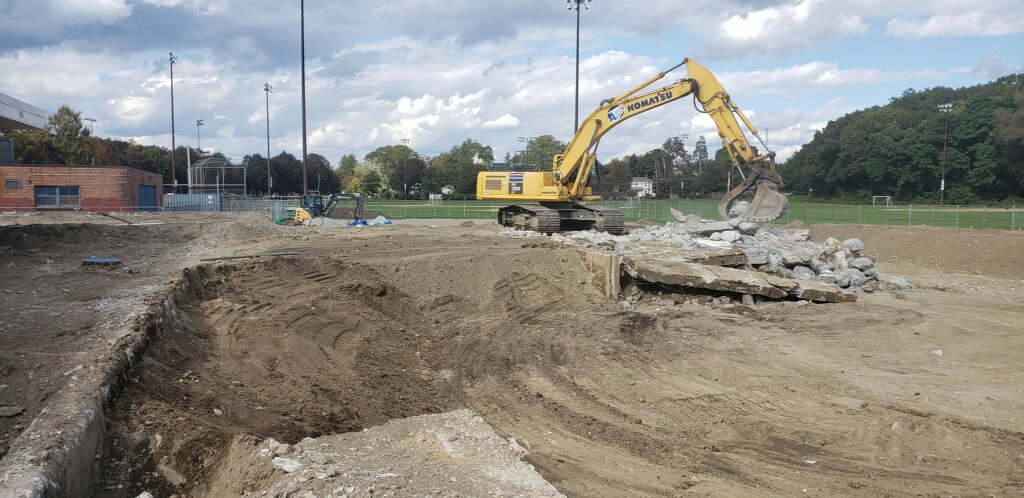
Construction has been going at an intense pace since the end of September, and one month in, Gath Pool is gone. Rubble, metal, concrete and dearly departed diving boards are being cleared out to make space for two new pools and a splash pad.

Advocates for the largest open green space in northern Newton, MA
Construction has been going at an intense pace since the end of September, and one month in, Gath Pool is gone. Rubble, metal, concrete and dearly departed diving boards are being cleared out to make space for two new pools and a splash pad.
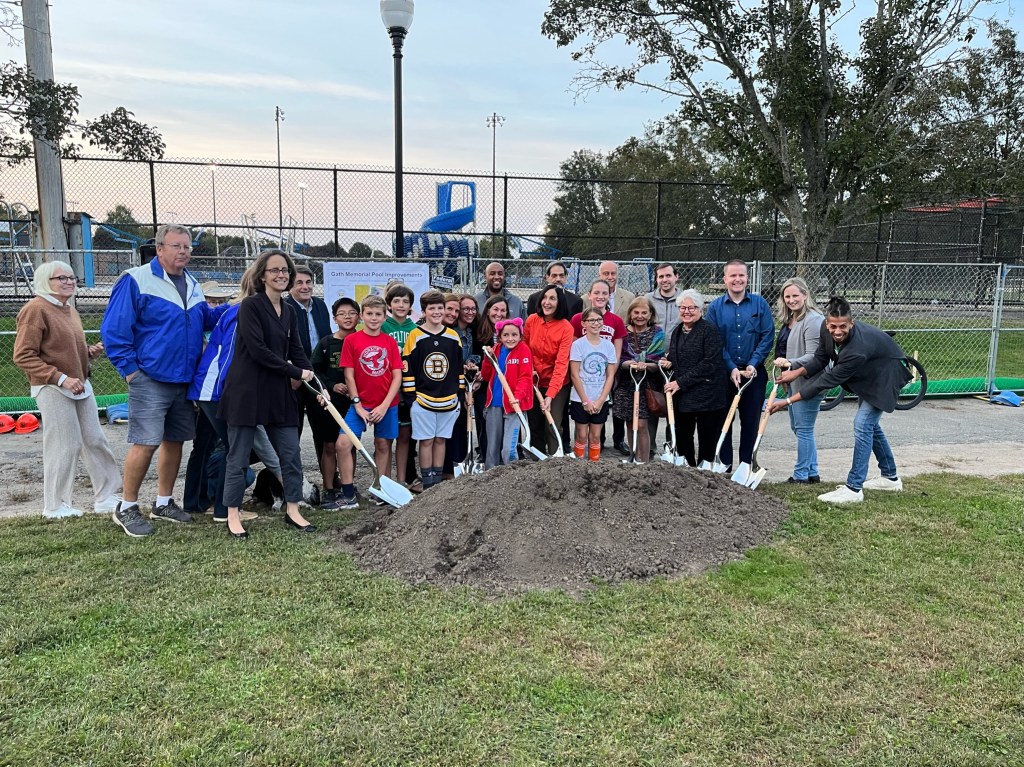
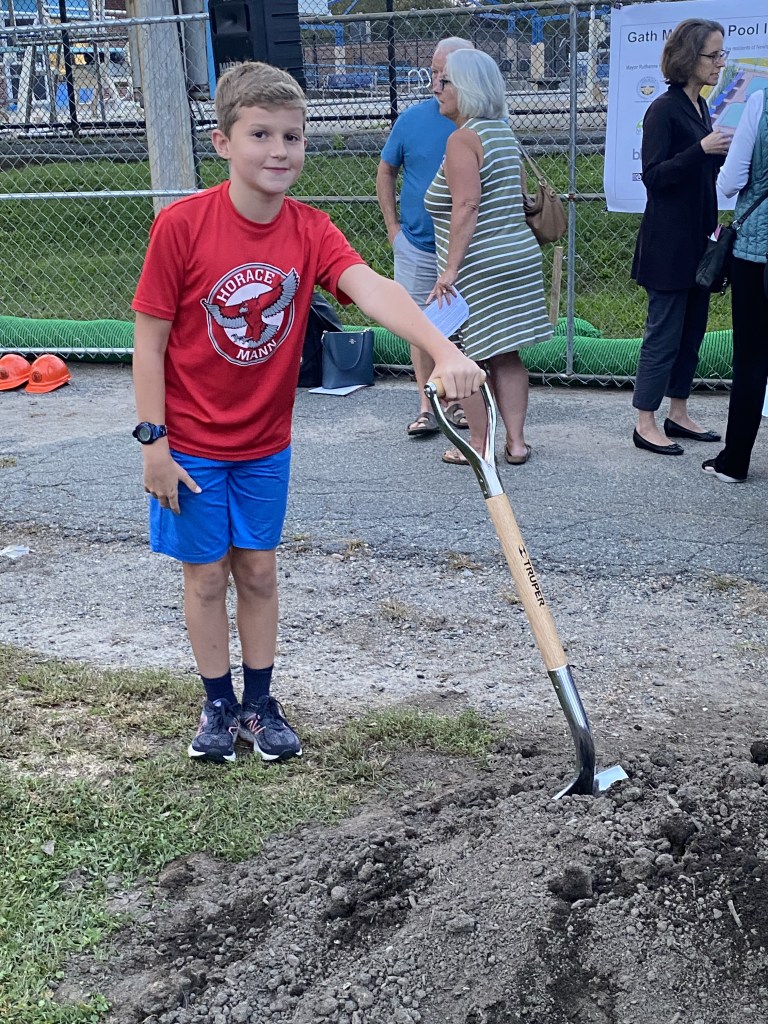
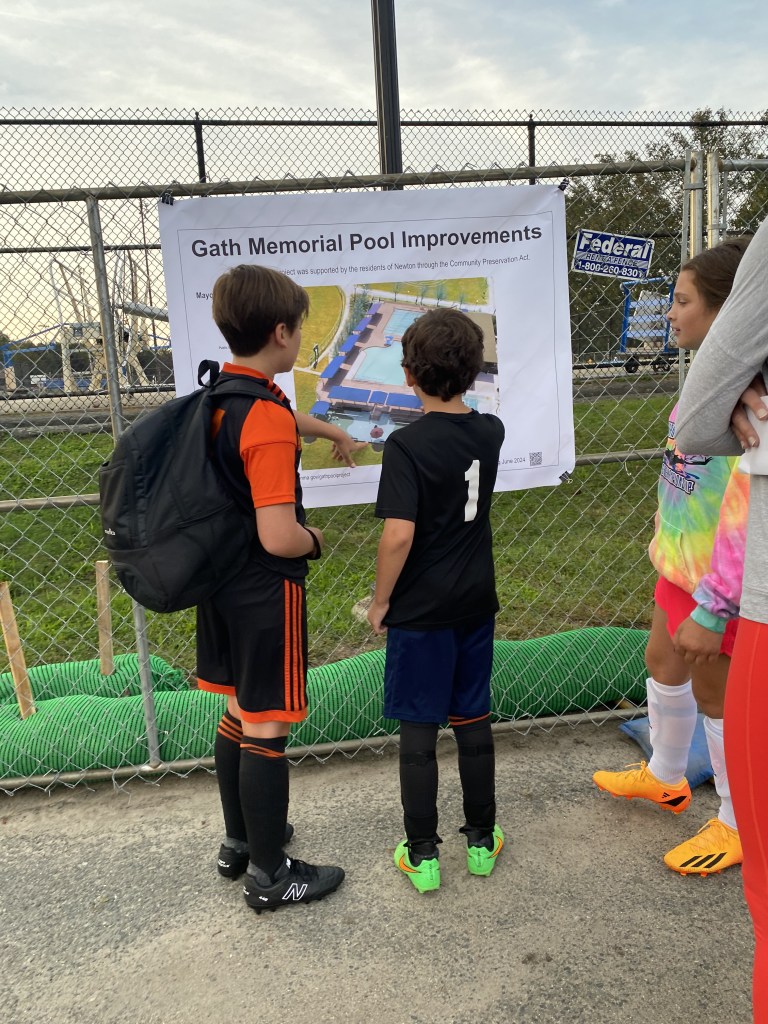
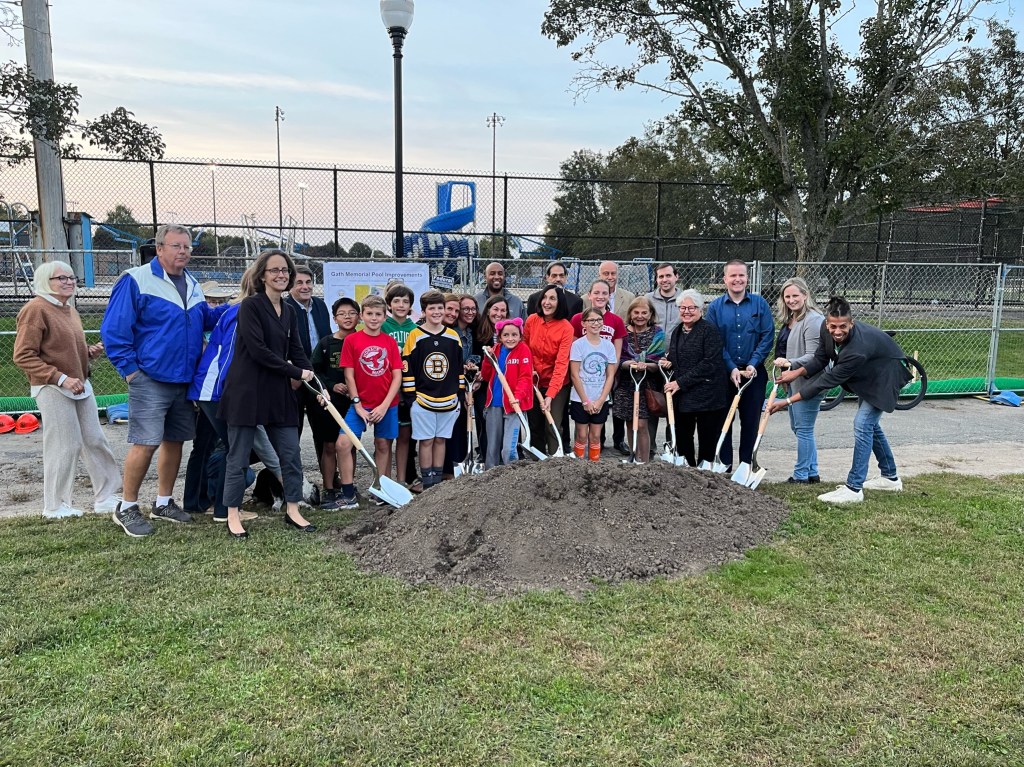
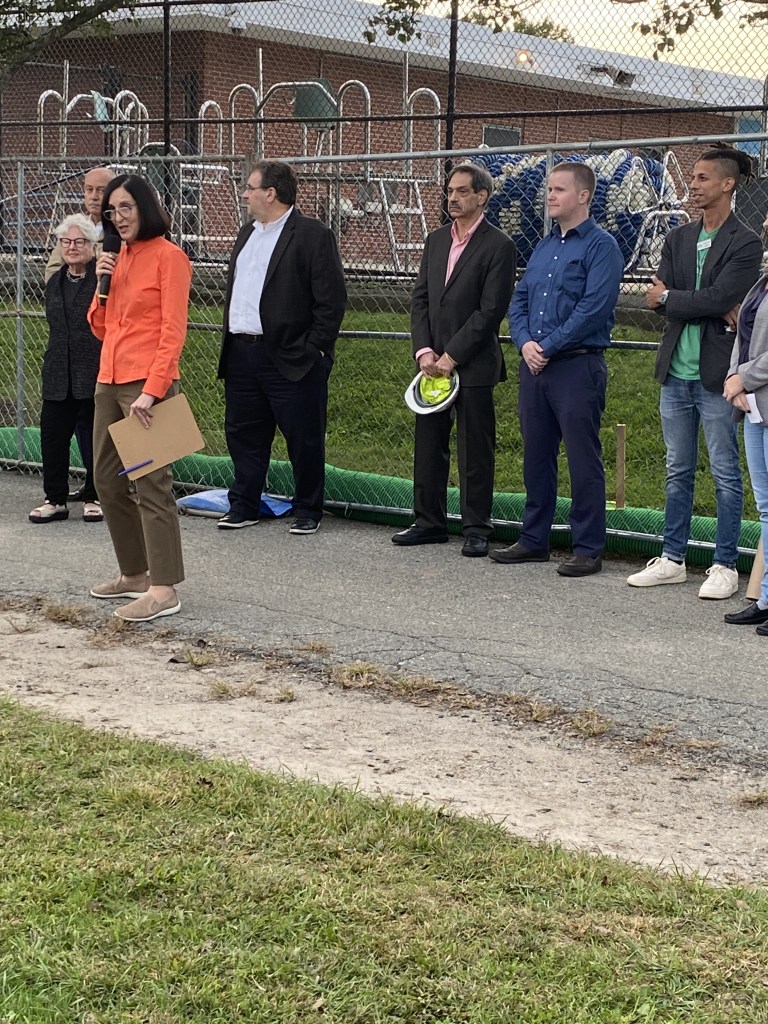
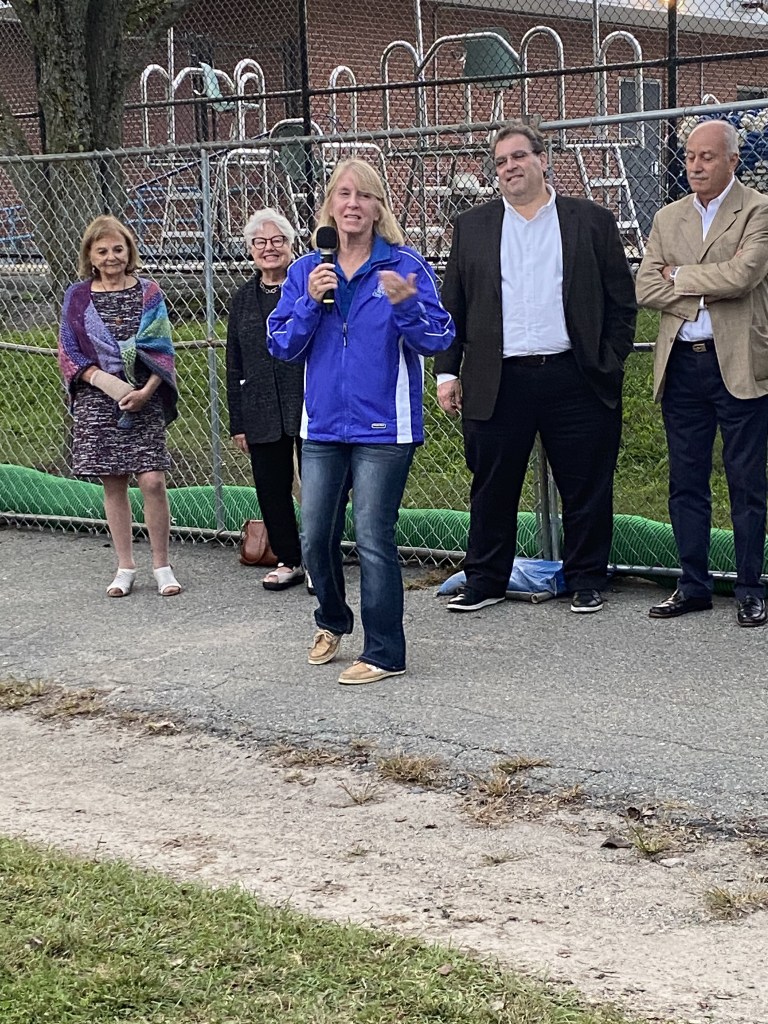
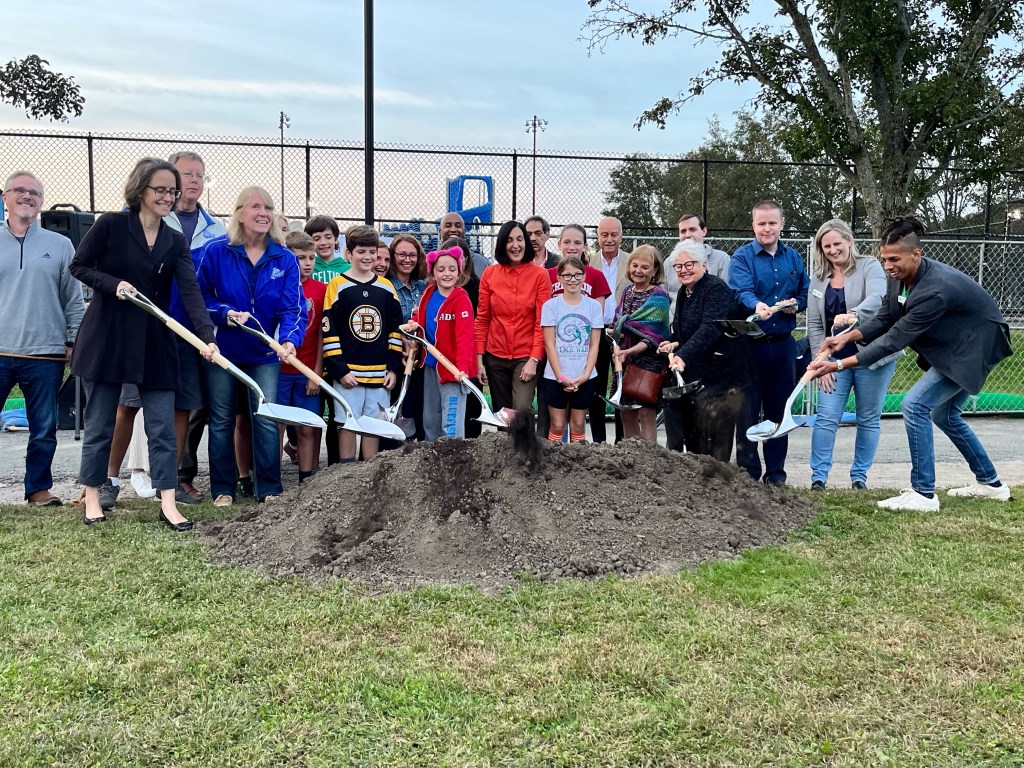
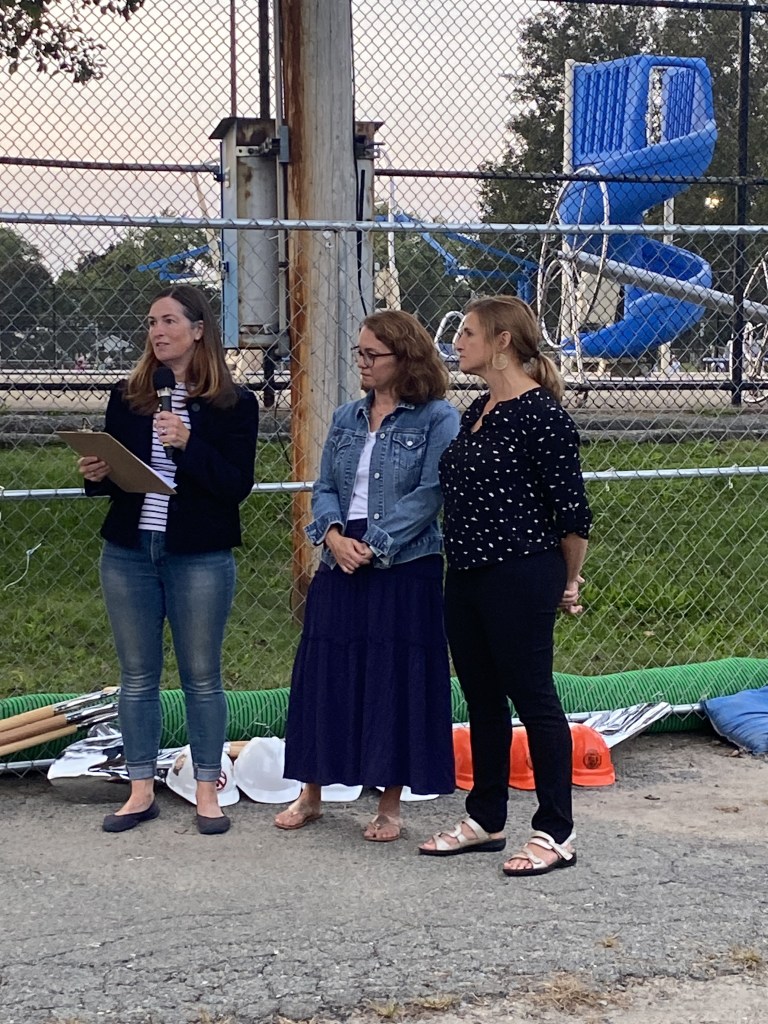
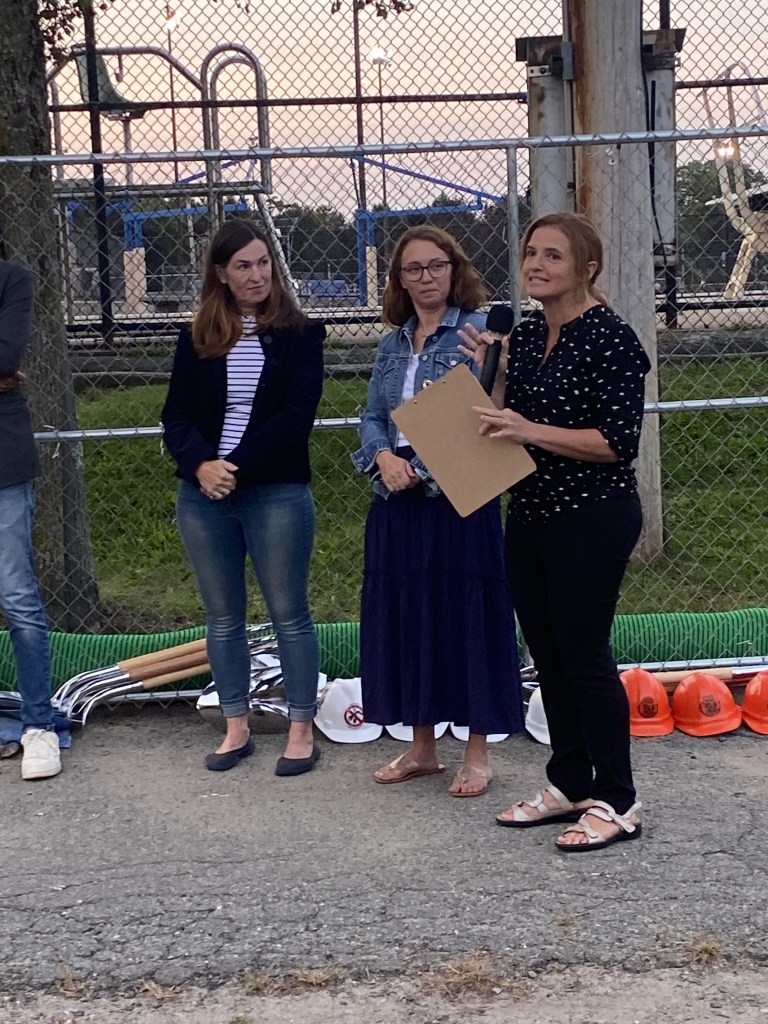
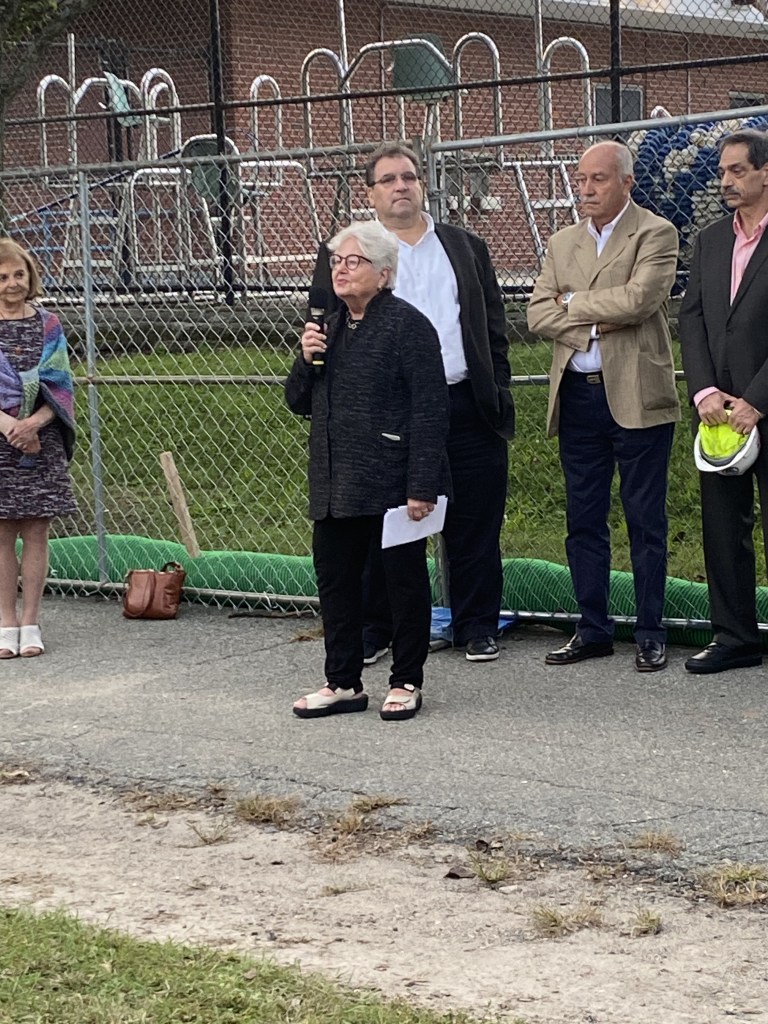
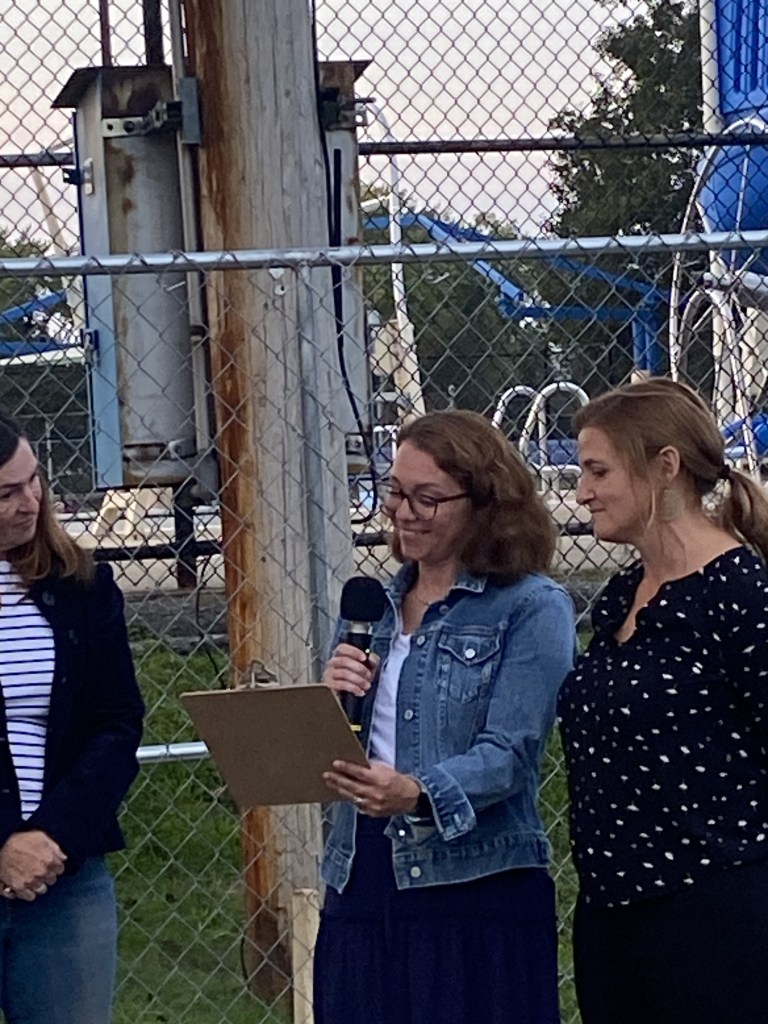
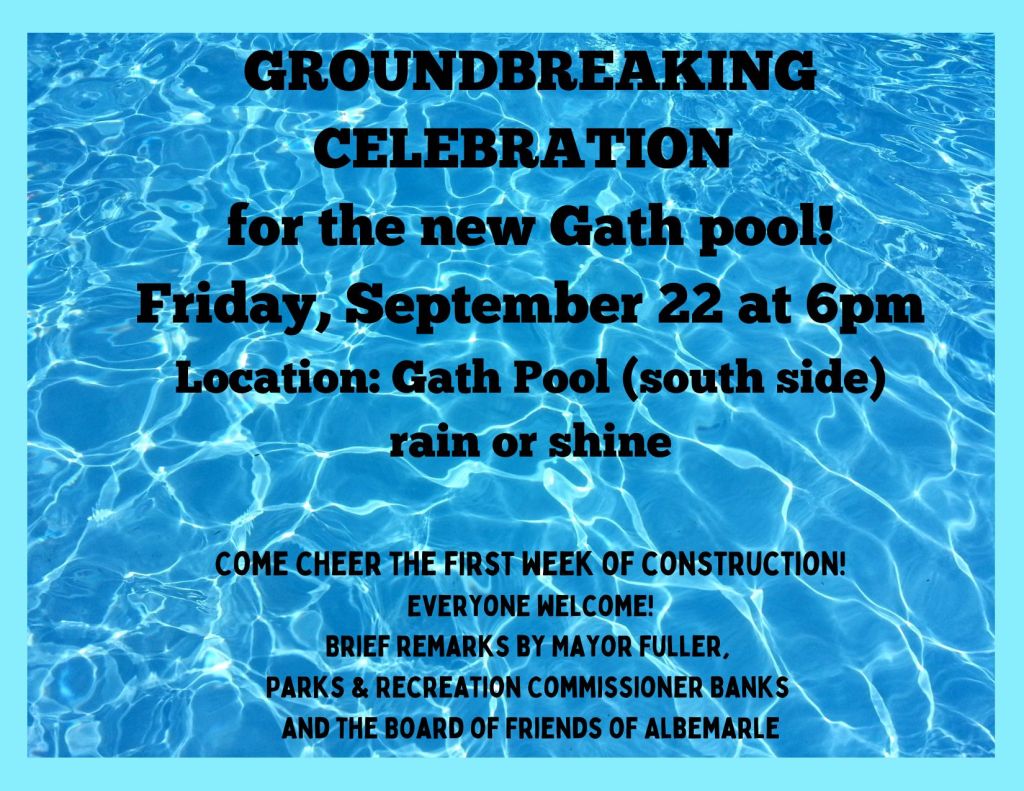
On September 22, members of the Albemarle community gathered to celebrate the end of one era and the beginning of a new one. After almost 60 years of generations of swimming, learning, connection and play, the Gath pool was demolished. Speakers and guests at the groundbreaking included State Representative Kay Khan, Newton Mayor Fuller, Parks and Recreation Commissioner Nicole Banks and Parks Director Luis Perez Demorizi, Newton Public Buildings Commissioner Josh Morse, Bluefish swim coaches and leaders Mary and Scott Pohlman, and many others, from city councilors to your devoted FOA board, who were thrilled to say a few words of thanks and stand next to a shovel – as much as we mourn the end of the pool we love. The two new pools and splash pad are on track for a June ribbon-cutting!

Dear Friends,
Exciting news! Today is the 3rd anniversary of the founding of Friends of Albemarle! Let’s celebrate! DONATE TODAY and mark this milestone with an investment in the organization’s operating budget.
Easy new way to donate – through our new Venmo account: @FriendsofAlbemarle – check it out here.
You can send us a check or donate by credit card – details here on our site!
Field of Dreams – $500 and up
Make a Splash – $250
Mighty Oak – $100
Friend – Any Amount
In 3 years since being awarded 501(c)3 nonprofit status on August 24, 2020, Friends of Albemarle has supported:
-Creation of a mission, logo and membership of more than 500 people including many elected officials (incl. half of Newton City Council)
-Funding, design, development for a new multi-million dollar Gath Pool (groundbreaking announced soon)
–Inclusion on CIP of an indoor pool at Newton South to help ease demand on North and Gath pools
-Funding, approval and design for new Field Design and Plan
–20 MPH Safety Zones instituted around the park, extending many blocks in all directions, one of the recommendations of the Roadway Safety Audit collaborated on by Friends of Albemarle and a key factor in the petition from Spring 2023
-New Traffic Calming management plans for mitigating accidents at the trio of intersections north of Albemarle (North/Crafts; Crafts/Albemarle; North/Albemarle) as well as the highly successful institution of Flex Posts to improve bicycle and pedestrian safety
–Closure of Albemarle Road between Crafts and North
-New Vision Plan for Cheesecake Brook Restoration
-Investment in Footbridges over Cheesecake Brook
-A drone’s perspective of Albemarle (just had to throw that in there)
-The double rainbow (I’ll stop, I promise!)
-Community building, information sharing, and generally good news
Thank you to Safe Routes to School; Newton Parks and Recreation; Newton Department of Public Works and Engineering; Newton Traffic Council; Bike Newton; Newton City Councilors and Mayor; and especially….you, and all 500+ friends of Albemarle, without whom these efforts would not be possible.
Gratefully,
Board of Friends of Albemarle
Newton, MA
Dear Friends,
Welcome to the summer edition of the Friends of Albemarle newsletter!
The hawks are soaring, the baseballs are flying, and Gath pool is a glistening brilliant blue and doing the important work of keeping our community cool during these very hot days. (Which is increasingly rare, and precious, according to this interesting CNN article.)
Keeping this short for summer:
New traffic laws in effect
Did you see the new 20 MPH Safety Zone signs up around Albemarle? Safety is a great look for our park! The new rules came after important community conversations, so thank you, petition signers, (and also thank you to our Traffic Council for approving them, and DPW for installing them).
The regular accidents this spring (here are some pictures) kept us continuing to worry about our older and younger residents (and everyone in between) trying to cross the intersections. We’re glad that more traffic improvements are on the horizon. A new pilot is planned; bidder selection starts this week.
New pool planning
As you may remember (!!) the new pool design was given unanimous approval and is funded with $7.8 million.
The groundbreaking is scheduled for this coming September.
Cheesecake Brook
The Charles River Watershed Association has shared a vision plan for naturalizing Cheesecake Brook.
Giving the stream more curves and fewer culverts will lead to less flooding, and we are hopeful that these changes can be enacted soon.
As we all learned in the recent Vermont flooding, the trend toward stream straightening has worsened the local impact of climate change.
Annual meeting
Exciting news – for the 3rd anniversary of the founding of FOA on August 23, 2023, we will launch a Capital Campaign! All members will be invited to donate, with different options at a range of tiers of giving.
Look for more information soon!
The View from Albemarle
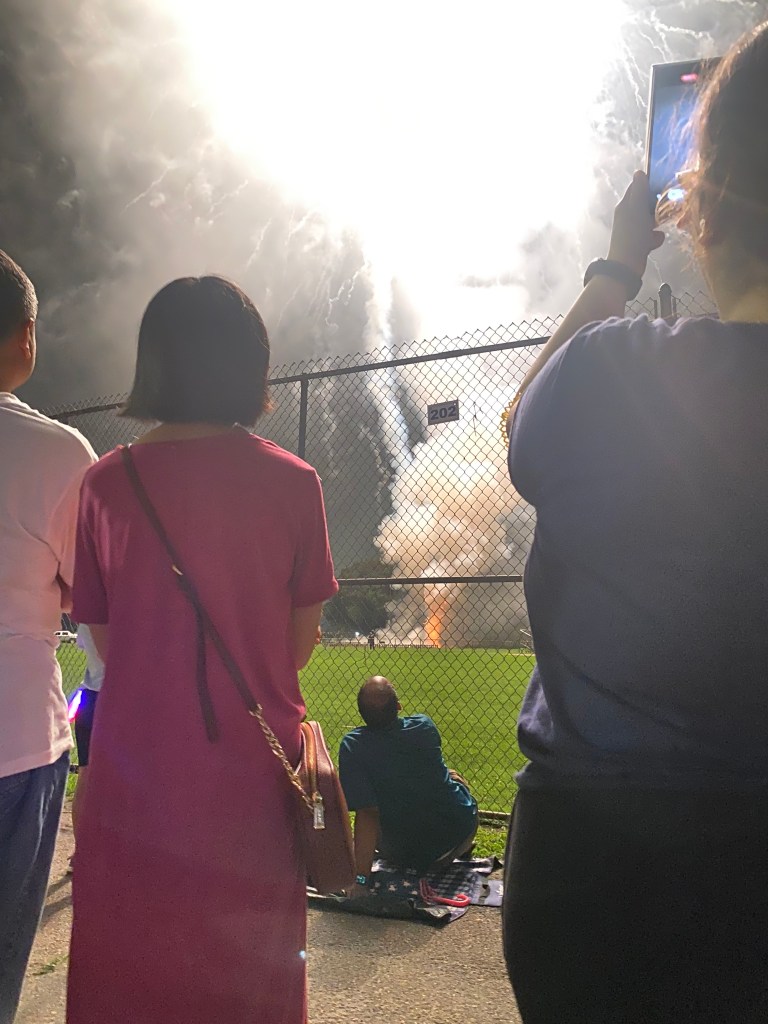
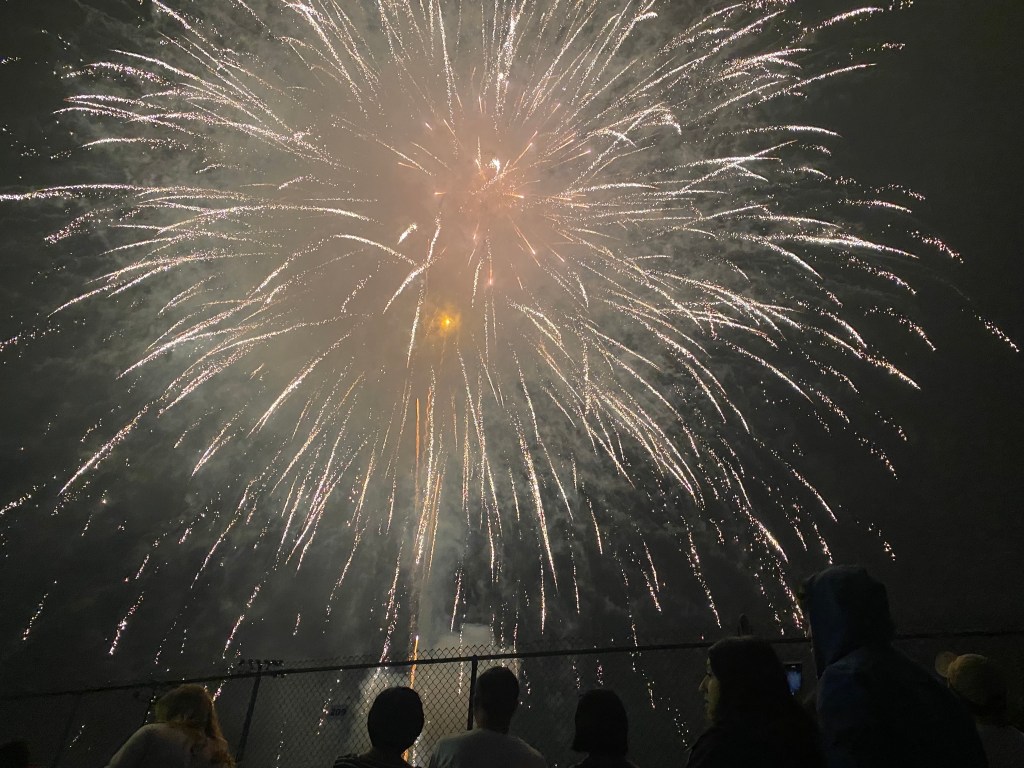
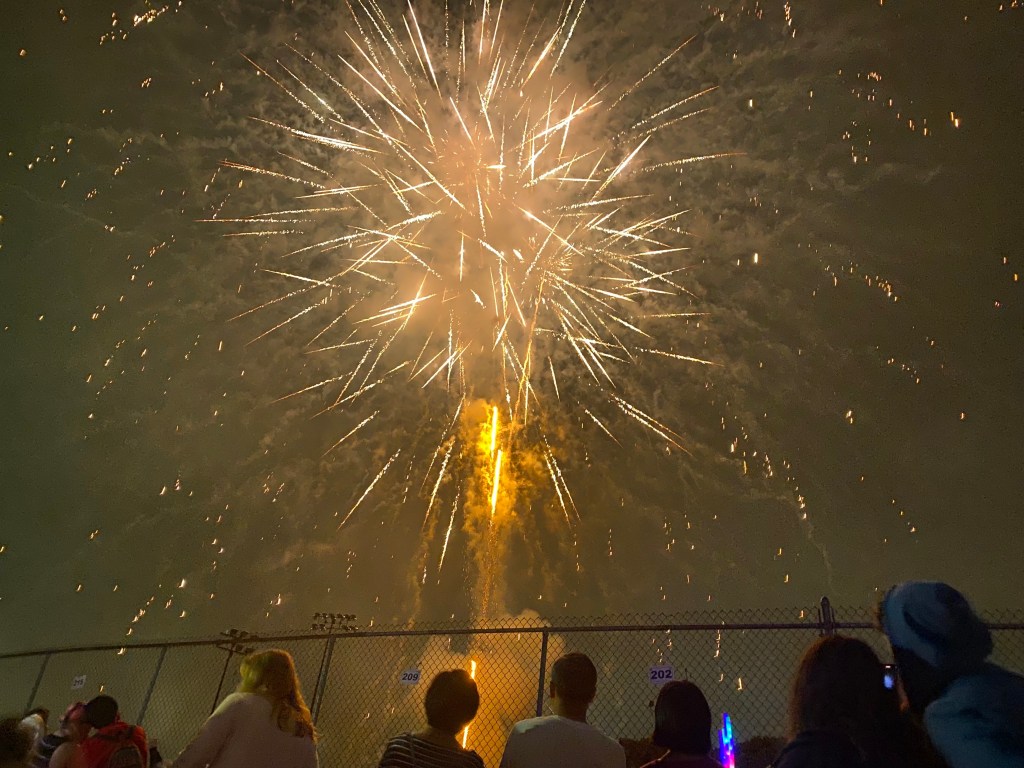
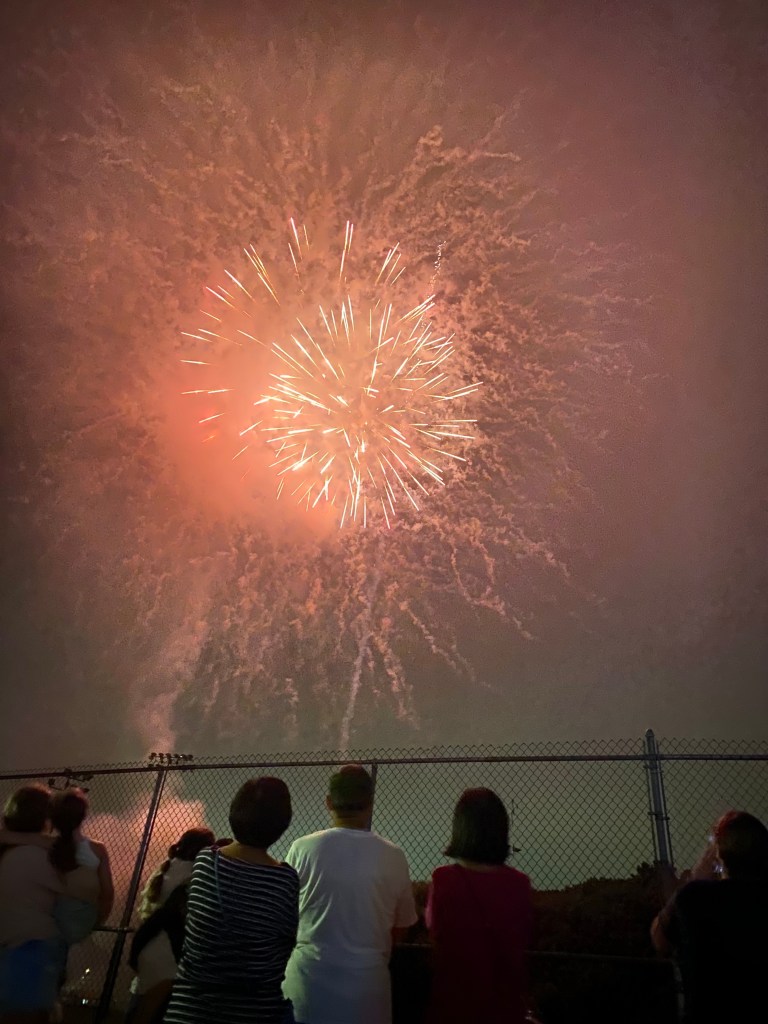
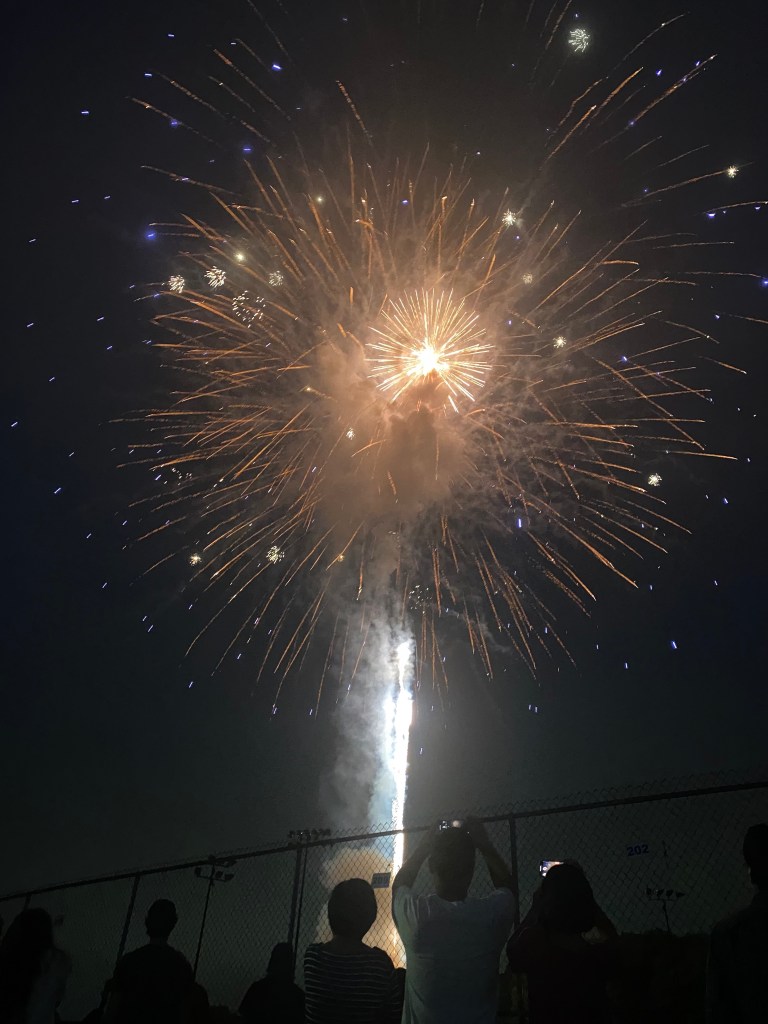
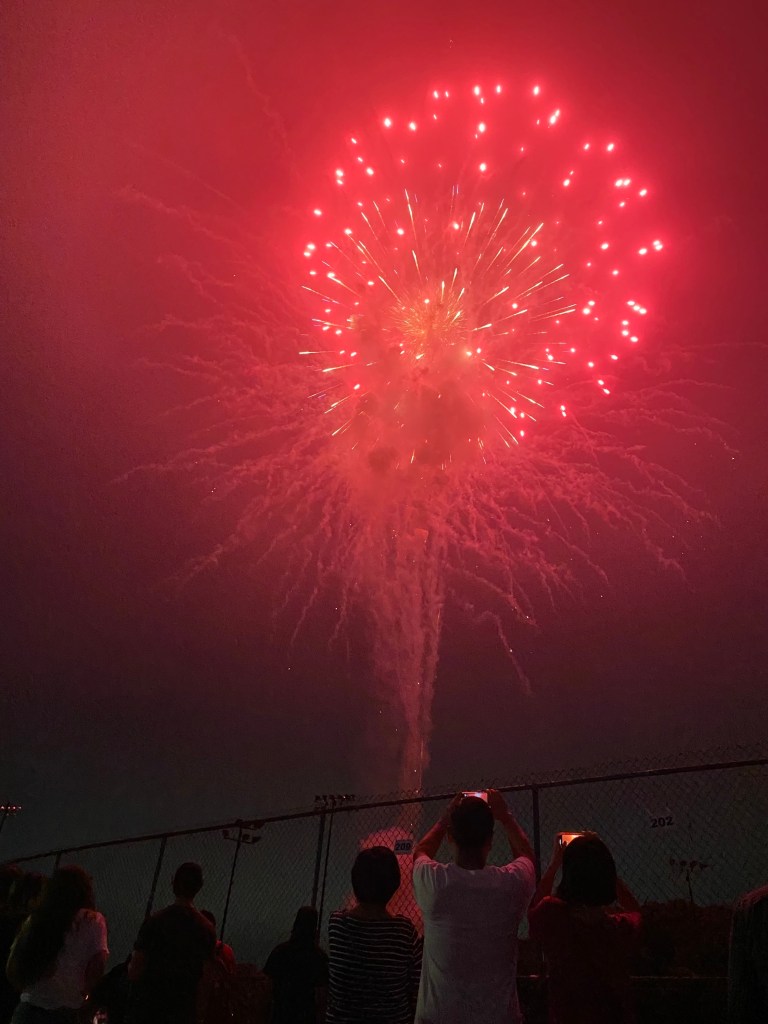
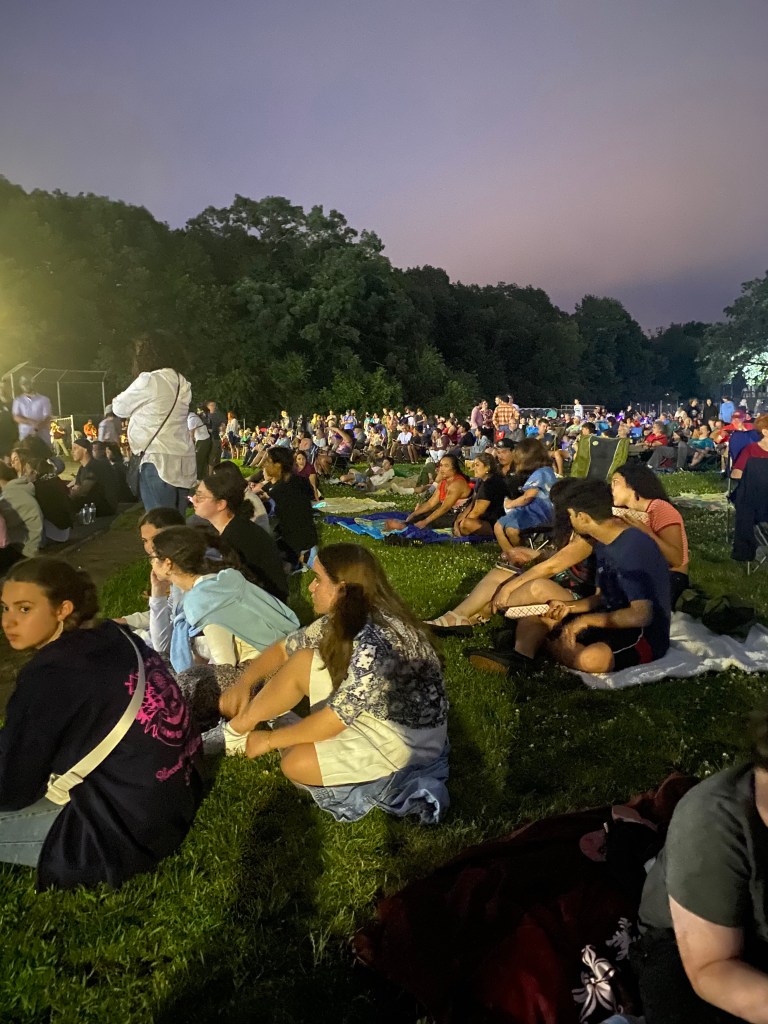
We’re not talking about the advocacy kinds of fireworks…we’re talking about the July 4th kind. Super fun! A full house at Albemarle (10,000 people!) spent a beautiful evening oooohing and aaaaahing to a spectacular display.
Stay cool and enjoy that open green space,
Cedar
President, Friends of Albemarle
We’ve written to the Newton Traffic Council, and published in Fig City, the following letter:
The board of Friends of Albemarle wants to share some insight about the experiences of pedestrians and cyclists using the intersection of Albemarle Rd. and Crafts St. ever since the flex posts were installed in the vicinity of this intersection.
We have found and heard from others that the flex posts currently in place are tremendously useful for people trying to cross the street on foot, or biking through the intersection. We are enthusiastic about the placement of all the flex posts. It is now far safer to walk across the intersection. Our more vulnerable park users are much better able to be seen by drivers, and everyone can access the park much more safely than before.
We recognize that limiting the exit flow from two to one lanes slows down traffic on Albemarle, but we have found that to be a great benefit to the people using the park. It seems that Albemarle field continues to have the same amount of recreational usage as any other summer.
Albemarle Road is not a place we think drivers should expect to travel down quickly. People are now changing their behavior by dropping off on Watertown Street or making other choices rather than driving down Albemarle, and we think that’s a positive change for the area.
In the future, we would favor a more permanent installation to manage traffic flow, rather than flex posts, which are vulnerable to snow and crashes. Also, we would advocate for a speed bump on the hill on Crafts that drivers use heading East through the intersection because it often creates a dynamic of increased speed.
Board of Friends of Albemarle
It was a warm, clear-ish July 4th evening after an afternoon of heavy rain, and thousands gathered to watch a spectacular fireworks show at Albemarle!
This image gallery shows what we residents see day after day at Albemarle. Crashes and car parts scattered around the intersections of Crafts and Albemarle, and North and Crafts. These are three different accidents photographed by members of Friends of Albemarle. They usually happen during the day, on weekdays.


Over the past year, many people have taken pictures of crashes at Albemarle. Here are a few recent posts that feature them:
Four High-Speed Crashes in Eight Weeks
The below image is from yet another crash at Watertown and Eddy Streets. While not at Albemarle, this is a very vulnerable intersection within a half mile of the park where speeding occurs regularly, as do crashes – often right into people’s front yards (not to mention the sidewalks!). This entire corridor of Newton requires more attention, enforcement and design in order to become safe for people traveling by foot or bicycle…and even by car!

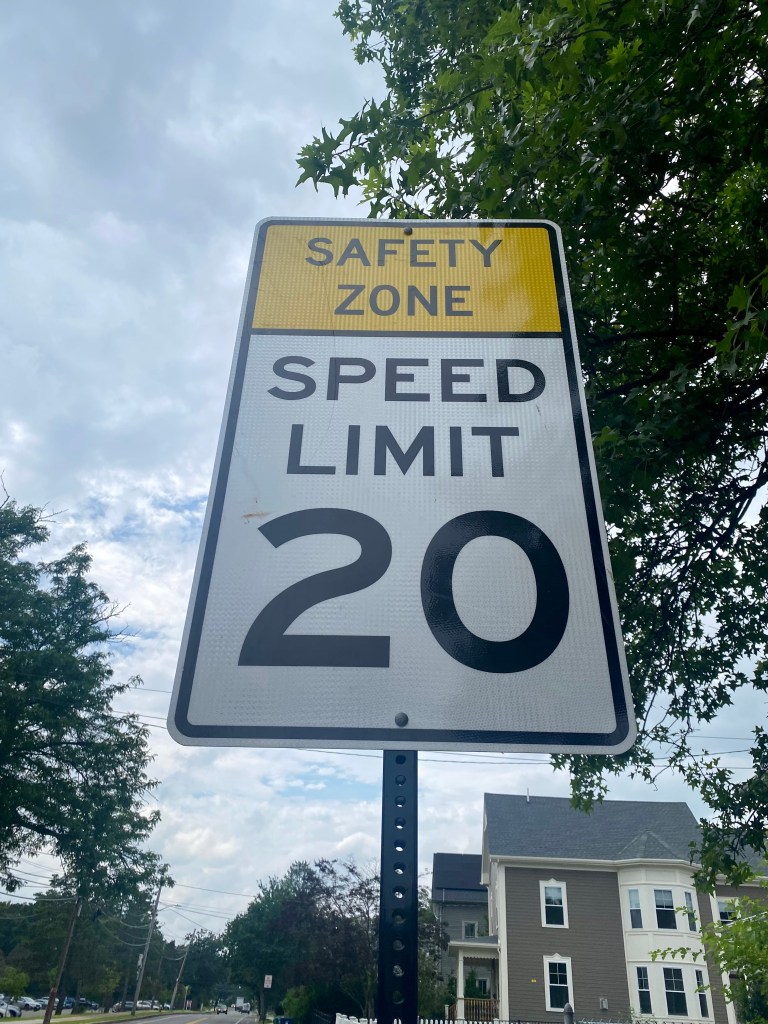
Did you see the new 20 MPH Safety Zone signs up around Albemarle? Safety is a great look for our park. The new rules are in large thanks to you (and also thank you to our Traffic Council for approving them).
Thank you petition signers!!
Dear Friends,
Amid SO MUCH AMAZING NEWS for Albemarle – new pool, fields, trees, traffic calming, and more – we’re going to briefly pause our happy dance and hold our annual meeting.
Everyone is welcome to join us on Saturday, June 3 from 11-12 at the Field House (there’s even good news about the Field House!). Rain or shine. We can even sell you an FoA car magnet. Here’s the Annual Meeting Agenda.
See you there!

 Friends of Albemarle